

drerudite
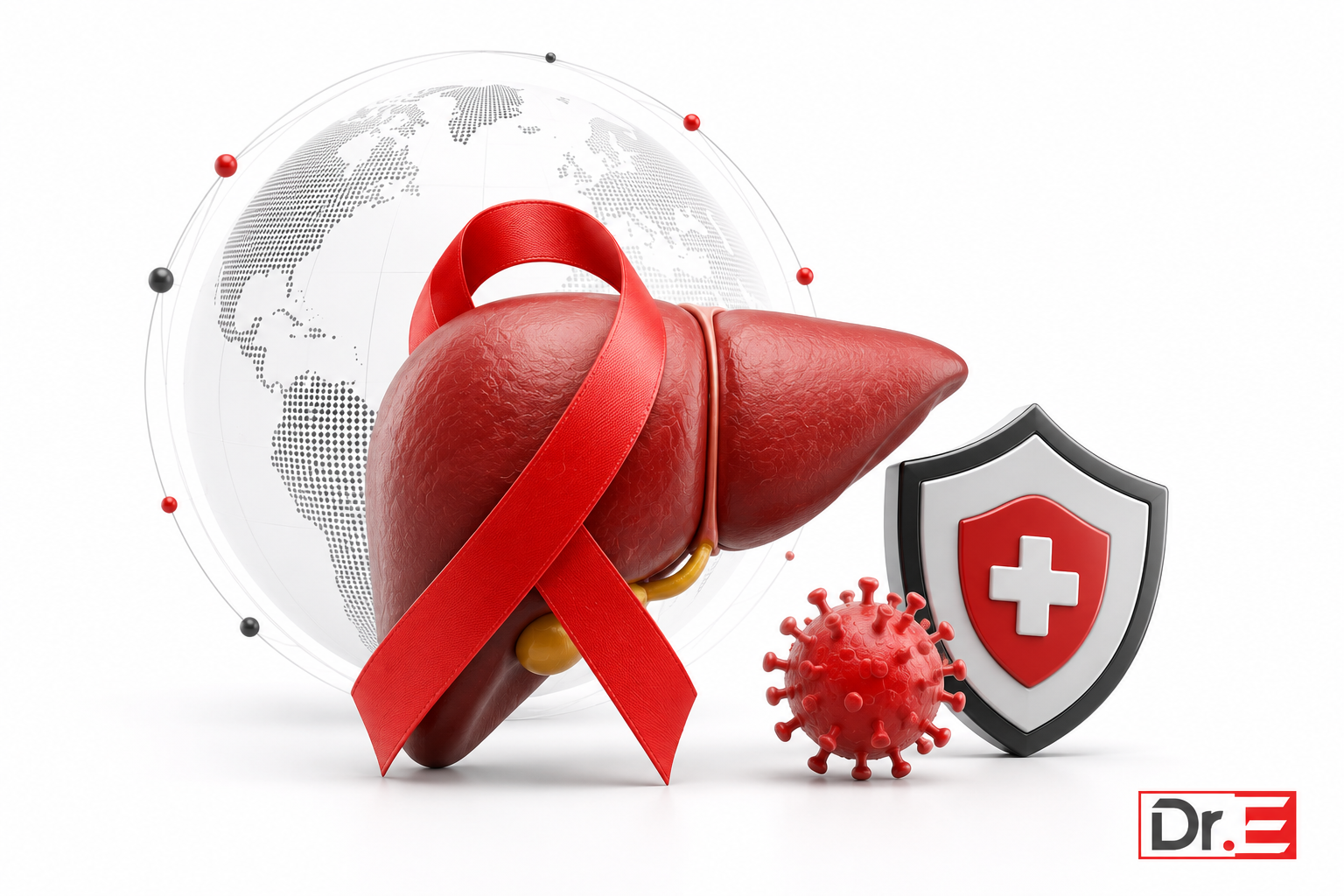
Let’s Break It Down: Understanding Hepatitis and Protecting Our Future
By Dr. ERUDiTE
Published: World Hepatitis Day – July 28
Every year on July 28, the world unites to observe World Hepatitis Day, raising awareness about one of the most significant yet underrecognized public health challenges. This year’s theme, “Let’s Break It Down,” encourages us to simplify the conversation around hepatitis, break down barriers to diagnosis and treatment, and eliminate the stigma that prevents many people from seeking care.
Despite advances in prevention and treatment, millions of people worldwide continue to live with viral hepatitis without knowing they are infected. The good news? Most hepatitis infections are preventable, and many are treatable—and in some cases, curable.
What Is Hepatitis?
Hepatitis refers to inflammation of the liver. While it can result from excessive alcohol use, certain medications, toxins, or autoimmune diseases, viral hepatitis remains the leading cause worldwide.
The five major hepatitis viruses are:
- Hepatitis A (HAV)
- Hepatitis B (HBV)
- Hepatitis C (HCV)
- Hepatitis D (HDV)
- Hepatitis E (HEV)
Each virus differs in how it spreads, how severe it can become, and the treatments available.
Breaking It Down: The Different Types of Hepatitis
Hepatitis A
Hepatitis A spreads through contaminated food and water or close contact with an infected individual. It usually causes an acute illness and rarely becomes chronic. Vaccination provides excellent protection.
Hepatitis B
Hepatitis B is transmitted through infected blood, sexual contact, and from mother to child during childbirth. While many adults recover completely, chronic infection can lead to liver cirrhosis and liver cancer. Fortunately, safe and effective vaccines are available.
Hepatitis C
Hepatitis C is primarily spread through blood exposure, including unsafe injections and sharing contaminated needles. Most infected individuals develop chronic infection if left untreated. Today, highly effective antiviral medications can cure more than 95% of cases.
Hepatitis D
Hepatitis D only occurs in individuals who already have Hepatitis B. It often results in more severe liver disease, making Hepatitis B vaccination the best preventive strategy.
Hepatitis E
Hepatitis E is commonly associated with contaminated drinking water, particularly in areas with poor sanitation. Most infections resolve spontaneously, although pregnant women are at greater risk of severe disease.
Why Hepatitis Matters
The liver performs hundreds of essential functions, including:
- Filtering toxins from the blood
- Producing proteins essential for blood clotting
- Storing vitamins and minerals
- Regulating metabolism
- Producing bile to aid digestion
When chronic hepatitis damages the liver over time, these vital functions gradually deteriorate, increasing the risk of:
- Liver fibrosis
- Cirrhosis
- Liver failure
- Hepatocellular carcinoma (liver cancer)
The Silent Nature of Hepatitis
One of the greatest challenges is that hepatitis often develops silently.
Many individuals experience no symptoms for years, allowing liver damage to progress unnoticed. When symptoms eventually appear, they may include:
- Persistent fatigue
- Loss of appetite
- Nausea
- Abdominal discomfort
- Dark urine
- Pale stools
- Yellowing of the eyes and skin (jaundice)
Because symptoms may be absent, testing remains the only reliable way to know your hepatitis status.
Who Should Get Tested?
Testing is recommended for individuals who:
- Have never been screened for Hepatitis B or C
- Received blood transfusions before routine screening was introduced
- Share needles or injecting equipment
- Have multiple sexual partners
- Are healthcare workers
- Live with someone infected with Hepatitis B
- Are pregnant
- Have persistently abnormal liver function tests
Early diagnosis saves lives.
Prevention: Breaking the Chain of Transmission
Many hepatitis infections can be prevented through simple but effective measures:
Get Vaccinated
Vaccination provides excellent protection against Hepatitis A and Hepatitis B.
Practice Safe Sex
Using barrier protection reduces the risk of Hepatitis B transmission.
Avoid Sharing Sharp Objects
Never share needles, razors, toothbrushes, or other items contaminated with blood.
Ensure Safe Medical Procedures
Seek healthcare facilities that follow proper infection prevention and sterilization practices.
Maintain Good Hygiene
Safe food handling, clean drinking water, and regular handwashing help prevent Hepatitis A and E.
Treatment Has Changed the Story
Advances in medicine have transformed hepatitis care.
- Hepatitis C can now be cured in most patients using direct-acting antiviral medications.
- Hepatitis B can be effectively controlled with long-term antiviral therapy, reducing the risk of liver complications.
- Regular monitoring enables early detection and management of liver disease.
The earlier treatment begins, the better the outcomes.
Breaking the Stigma
Many people avoid testing because they fear judgment or discrimination.
Hepatitis is a medical condition—not a moral failing.
By encouraging open conversations, promoting education, and supporting those affected, we create communities where more people feel comfortable seeking testing and treatment.
A Message from Dr. ERUDiTE
This World Hepatitis Day, let us truly break it down.
Break down misinformation with education.
Break down fear with compassion.
Break down barriers to testing and treatment.
Break down stigma through understanding.
Every test performed, every vaccine administered, and every conversation started brings us one step closer to eliminating viral hepatitis as a public health threat.
Together, we can build healthier communities through awareness, prevention, early diagnosis, and timely treatment.
Key Takeaways
- Hepatitis is inflammation of the liver, most commonly caused by viruses.
- Hepatitis B and C are major causes of chronic liver disease and liver cancer.
- Many infected individuals have no symptoms for years.
- Vaccination prevents Hepatitis A and B.
- Hepatitis C is now curable in most cases.
- Early testing and treatment save lives.
- Breaking stigma is as important as breaking the disease.
About Dr. ERUDiTE
Dr. ERUDiTE is a physician committed to advancing health through evidence-based medicine, technology, and public health education. Through trusted medical insights and innovative solutions, Dr. ERUDiTE empowers individuals and communities to make informed decisions for healthier lives.